The entire courtroom seemed to shrink after the judge read the first line of Eleanor Whitaker’s statement.
“I have personally witnessed Mr.
Daniel Mercer’s repeated verbal cruelty toward his wife and child.”
My husband jerked upright so fast his chair legs scraped the floor.
“That is absurd,” he said.
The judge did not raise her voice.
“Sit down, Mr.Mercer.”
For one reckless second, I thought he might ignore her.
That was how badly his control had slipped.
His lawyer caught his forearm and tugged him back into his seat.
Lily pressed even closer against me.
I could feel the small quick beat of her heart through her sleeve where her shoulder touched my arm.
The judge lifted another page from the cream folder.
“This statement also references dates, recorded conversations, and photographs stored with estate counsel,” she said.
The back row stirred.
A whisper ran through the room, then died.
My husband swallowed.
“Your Honor, with respect, this is hearsay from a deceased woman who is not here to be questioned.”
“She provided sworn affidavits prior to her death,” the judge said.
“And the estate attorney is present.”
Right on cue, the courtroom doors opened.
A woman in a charcoal suit stepped in carrying a sealed banker’s box.
She was in her fifties, silver pin at her lapel, posture so composed it made panic look even uglier on everyone else.
“Margaret Voss for the Estate of Eleanor Whitaker, Your Honor.”
She set the box carefully on the clerk’s table.
My husband stared at it like it might explode.
The judge turned to me.
“Mrs.Mercer, did you know Ms.
Whitaker?”
I opened my mouth, but for a moment nothing came out.
Because the answer was yes.
The answer was yes in a thousand tiny ways.
“Yes, Your Honor,” I said.
“Tell the court how.”
I glanced at Lily.
Her eyes were wide and fixed on me.
I laid my hand over hers before I spoke.
“Three years ago,” I said, “I began volunteering twice a week at Rosegate House.
It was supposed to be temporary.
My husband said it was a waste of time because there was no money in it.
But I kept going.”
Margaret Voss nodded once.
The judge waited.
“That’s where I met Eleanor Whitaker,” I said.
“She had no children.
No close family nearby.
Everyone knew she had money, but she hated being treated like a fortune with a pulse.
She liked people who spoke to her like a person.”
The memory arrived so clearly that the courtroom dissolved around it for a second.
Eleanor in a navy wool shawl by the solarium window.
Eleanor asking Lily whether second-grade spelling tests were barbaric.
Eleanor slipping butterscotch candies into her handbag and pretending the nurses had no idea.
My husband scoffed under his breath.
The judge heard it.
“You may stop reacting audibly, Mr.Mercer.”
I continued.
“Lily came with me sometimes after school.
Ms.Whitaker adored her.
She said Lily had the rare talent of making a lonely room stop feeling lonely.”
Lily’s fingers softened a little under mine.
Margaret Voss opened the banker’s box and removed a thin folder.
“Your Honor, if I may?”
The judge gestured for her to proceed.
“Ms.Whitaker revised her will three weeks before her death,” Margaret said.
“She named Mrs.Mercer sole beneficiary.
She also left a letter explaining her reasons and separate materials concerning matters she believed would become relevant in this custody proceeding.”
My husband’s attorney rose.
“Objection.
This is rapidly becoming prejudicial.”
“It may become clarifying,” the judge said.
“Sit down.”
Margaret lifted the first affidavit.
“Ms.Whitaker stated that during multiple visits, some at Rosegate House and some at her residence, she observed Mr.
Mercer demean his wife in front of their daughter, mock the child for crying, and threaten that if Mrs.
Mercer ever left him, he would make sure she had ‘nothing and nowhere to take the girl.’”
A pulse jumped in my husband’s jaw.
“That never happened,” he said.
Margaret calmly removed a small flash drive sealed in an evidence sleeve.
“Ms.Whitaker anticipated that response,” she said.
The judge looked to the clerk.
“Play the recording.”
My husband half rose again.
“Your Honor—”
“Sit.
Down.”
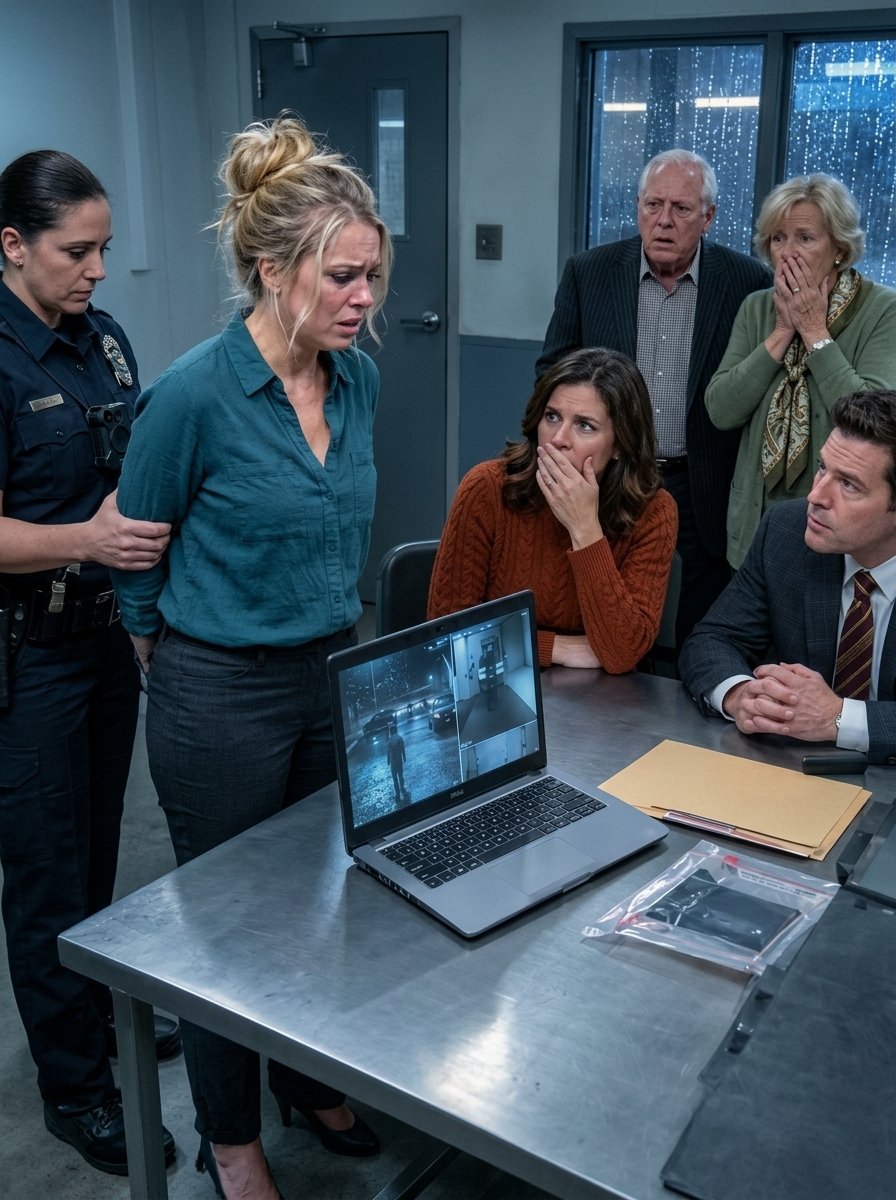
The clerk inserted the drive into the courtroom computer.
Static crackled once through the speakers.
Then voices filled the room.
Mine first, faint and tired.
“Daniel, lower your voice.
Lily can hear you.”
Then his.
Sharp.
Familiar.
Ugly in a way that made denial impossible.
“I don’t care if she hears me.
Maybe she’ll learn early what happens to useless people.”
The room froze.
I had heard those words before, in Eleanor’s guest kitchen six months earlier.
I had arrived there with Lily after one of Daniel’s rages, shaking so hard I could barely hold my teacup.
Eleanor had gone quiet, walked to the sideboard, and set her phone face down near the fruit bowl.
She never announced what she was doing.
She simply looked at me with those bright old eyes and kept me seated until my breathing returned.
On the recording, my younger self whispered, “Please don’t say that in front of her.”
Then Daniel again, voice thick with contempt.
“You should be grateful I let either of you stay in my house.”
The clerk paused the audio.
No one moved.
My husband’s attorney looked like a man realizing the building plan in his hand belonged to a different city.
Daniel leaned forward.
“That is edited.”
Margaret Voss placed a typed certification on the clerk’s desk.
“Authenticated chain of custody, Your Honor.
The original device was preserved by my client’s office and transferred this morning.”
The judge read it, then set it down.
“Noted.”
The first crack in Daniel’s courtroom mask had become a break.
He turned to me, and for the first time in years, his face held something I had only seen him force into other people.
Panic.
Margaret removed photographs next.
One showed Daniel standing over Lily in our driveway last winter while she cried beside a broken snow globe.
He had smashed it against the pavement after she dropped his car keys in a puddle.
Another showed him gripping my elbow hard enough to leave marks outside Eleanor’s townhouse.
I remembered that afternoon.
He had come to pick us up because he hated when I stayed too long anywhere that made me feel human.
A third showed the bruise on Lily’s upper arm after he yanked her out of the pantry and called her dramatic for hiding during one of his rages.
My husband’s lawyer objected again.
“There has been no allegation of physical abuse.”
“There has now been evidence of intimidation and harm,” the judge said.
“And this court is listening very carefully.”
Daniel’s face had gone from pale to gray.
Then Margaret opened the sealed letter.
“This was to be released only if Mr.
Mercer pursued custody by portraying Mrs.
Mercer as financially incapable or emotionally unstable,” she said.
Daniel’s attorney shut his eyes for one second.
The judge nodded.
“Read it.”
Margaret unfolded the pages.
“‘I, Eleanor Whitaker, am of sound mind, and I write this because men like Daniel Mercer count on women dying before they can be contradicted.
I have watched him perform charm for strangers and cruelty for his family.
I have watched his wife apologize for his temper, and his daughter learn to read danger in the room before she should even know what danger is.’”
Lily’s hand began trembling again.
I bent and kissed the top of her head.
Margaret continued.
“‘If he ever tries to tell a court that his wife is unfit, dependent, unstable, or unsafe, then the court should know this: the instability in that home was never her.
It was him.’”
My husband’s throat worked, but he said nothing.
The judge took off her glasses and set them down carefully.
“Mr.Mercer,” she said, “were you aware that your wife had a support network outside your control?”
Daniel stared ahead.
“I don’t know what that means.”
“It means,” the judge said, “that your strategy appears to have relied on isolating her, belittling her, and then presenting that isolation as evidence of weakness.”
He finally snapped.
“She is weak.”
The words landed before his lawyer could stop them.
Even he seemed startled by how naked they sounded.
The judge’s expression hardened for the first time that day.
“Thank you,” she said.
“That was illuminating.”
Daniel’s attorney stood.
“Your Honor, my client is under extraordinary stress—”
“Your client,” the judge said, “called his child a brat in open court, has now been linked to recordings and witness statements showing a sustained pattern of verbal abuse, and appears to have built his custody request on the claim that the mother could not provide housing or stability.
That claim has collapsed.”
The courtroom air felt thin.
Daniel knew it too.
He turned toward me, lowering his voice like he could crawl back into the version of himself that fooled people.
“You planned this?” he hissed.
I looked at him steadily.
“No.
You did.
You just thought no one was keeping notes.”
Margaret Voss produced one final document.
“In addition to the inheritance, Ms.
Whitaker left instructions that a residence held by the estate trust be made immediately available to Mrs.
Mercer and Lily for as long as desired, rent-free, with all educational expenses for Lily funded through a separate trust.”
Another murmur spread through the room.
Daniel’s lawyer went white.
Because now there was no argument left.
Not about housing.
Not about security.
Not about schools.
Not about my ability to keep Lily safe.
Only one question remained: whether Lily should be made to spend unsupervised time with the man who had just destroyed himself in front of a judge.
The judge asked for a brief recess, then called counsel into chambers.
I remained seated with Lily, my hands cold despite
been no allegation of physical abuse.”
“There has now been evidence of intimidation and harm,” the judge said.
“And this court is listening very carefully.”
Daniel’s face had gone from pale to gray.
Then Margaret opened the sealed letter.
“This was to be released only if Mr.
Mercer pursued custody by portraying Mrs.
Mercer as financially incapable or emotionally unstable,” she said.
Daniel’s attorney shut his eyes for one second.
The judge nodded.
“Read it.”
Margaret unfolded the pages.
“‘I, Eleanor Whitaker, am of sound mind, and I write this because men like Daniel Mercer count on women dying before they can be contradicted.
I have watched him perform charm for strangers and cruelty for his family.
I have watched his wife apologize for his temper, and his daughter learn to read danger in the room before she should even know what danger is.’”
Lily’s hand began trembling again.
I bent and kissed the top of her head.
Margaret continued.
“‘If he ever tries to tell a court that his wife is unfit, dependent, unstable, or unsafe, then the court should know this: the instability in that home was never her.
It was him.’”
My husband’s throat worked, but he said nothing.
The judge took off her glasses and set them down carefully.
“Mr.Mercer,” she said, “were you aware that your wife had a support network outside your control?”
Daniel stared ahead.
“I don’t know what that means.”
“It means,” the judge said, “that your strategy appears to have relied on isolating her, belittling her, and then presenting that isolation as evidence of weakness.”
He finally snapped.
“She is weak.”
The words landed before his lawyer could stop them.
Even he seemed startled by how naked they sounded.
The judge’s expression hardened for the first time that day.
“Thank you,” she said.
“That was illuminating.”
Daniel’s attorney stood.
“Your Honor, my client is under extraordinary stress—”
“Your client,” the judge said, “called his child a brat in open court, has now been linked to recordings and witness statements showing a sustained pattern of verbal abuse, and appears to have built his custody request on the claim that the mother could not provide housing or stability.
That claim has collapsed.”
The courtroom air felt thin.
Daniel knew it too.
He turned toward me, lowering his voice like he could crawl back into the version of himself that fooled people.
“You planned this?” he hissed.
I looked at him steadily.
“No.
You did.
You just thought no one was keeping notes.”
Margaret Voss produced one final document.
“In addition to the inheritance, Ms.
Whitaker left instructions that a residence held by the estate trust be made immediately available to Mrs.
Mercer and Lily for as long as desired, rent-free, with all educational expenses for Lily funded through a separate trust.”
Another murmur spread through the room.
Daniel’s lawyer went white.
Because now there was no argument left.
Not about housing.
Not about security.
Not about schools.
Not about my ability to keep Lily safe.
Only one question remained: whether Lily should be made to spend unsupervised time with the man who had just destroyed himself in front of a judge.
The judge asked for a brief recess, then called counsel into chambers.
I remained seated with Lily, my hands cold despite
been no allegation of physical abuse.”
“There has now been evidence of intimidation and harm,” the judge said.
“And this court is listening very carefully.”
Daniel’s face had gone from pale to gray.
Then Margaret opened the sealed letter.
“This was to be released only if Mr.
Mercer pursued custody by portraying Mrs.
Mercer as financially incapable or emotionally unstable,” she said.
Daniel’s attorney shut his eyes for one second.
The judge nodded.
“Read it.”
Margaret unfolded the pages.
“‘I, Eleanor Whitaker, am of sound mind, and I write this because men like Daniel Mercer count on women dying before they can be contradicted.
I have watched him perform charm for strangers and cruelty for his family.
I have watched his wife apologize for his temper, and his daughter learn to read danger in the room before she should even know what danger is.’”
Lily’s hand began trembling again.
I bent and kissed the top of her head.
Margaret continued.
“‘If he ever tries to tell a court that his wife is unfit, dependent, unstable, or unsafe, then the court should know this: the instability in that home was never her.
It was him.’”
My husband’s throat worked, but he said nothing.
The judge took off her glasses and set them down carefully.
“Mr.Mercer,” she said, “were you aware that your wife had a support network outside your control?”
Daniel stared ahead.
“I don’t know what that means.”
“It means,” the judge said, “that your strategy appears to have relied on isolating her, belittling her, and then presenting that isolation as evidence of weakness.”
He finally snapped.
“She is weak.”
The words landed before his lawyer could stop them.
Even he seemed startled by how naked they sounded.
The judge’s expression hardened for the first time that day.
“Thank you,” she said.
“That was illuminating.”
Daniel’s attorney stood.
“Your Honor, my client is under extraordinary stress—”
“Your client,” the judge said, “called his child a brat in open court, has now been linked to recordings and witness statements showing a sustained pattern of verbal abuse, and appears to have built his custody request on the claim that the mother could not provide housing or stability.
That claim has collapsed.”
The courtroom air felt thin.
Daniel knew it too.
He turned toward me, lowering his voice like he could crawl back into the version of himself that fooled people.
“You planned this?” he hissed.
I looked at him steadily.
“No.
You did.
You just thought no one was keeping notes.”
Margaret Voss produced one final document.
“In addition to the inheritance, Ms.
Whitaker left instructions that a residence held by the estate trust be made immediately available to Mrs.
Mercer and Lily for as long as desired, rent-free, with all educational expenses for Lily funded through a separate trust.”
Another murmur spread through the room.
Daniel’s lawyer went white.
Because now there was no argument left.
Not about housing.
Not about security.
Not about schools.
Not about my ability to keep Lily safe.
Only one question remained: whether Lily should be made to spend unsupervised time with the man who had just destroyed himself in front of a judge.
The judge asked for a brief recess, then called counsel into chambers.
I remained seated with Lily, my hands cold despite the heat in the room.
She looked up at me.
“Mom?”
“Yes, baby?”
“Are we in trouble?”
That nearly broke me.
I brushed her hair back from her cheek.
“No.
We’re done being in trouble.”
When the hearing resumed forty minutes later, the courtroom felt quieter, as if everyone already understood the center of gravity had shifted.
The judge returned with a revised order in hand.
She began with the finances.
The proposed property division Daniel had submitted was rejected pending forensic review of several business transfers his attorney had conveniently described as standard.
The judge had questions now.
So did the court-appointed financial examiner.
Daniel’s attempt to rush the hearing had bought him the opposite of speed.
Then she turned to custody.
“In light of the statements made in court today, the newly submitted evidence, the witness materials from the Whitaker estate, and the court’s own observations, temporary primary physical custody of Lily Mercer is awarded to her mother, effective immediately.”
Daniel spoke over her.
“You can’t do that.”
She ignored him.
“Mr.Mercer’s parenting time is suspended pending full evaluation and may resume only in a professionally supervised setting if recommended after review.”
Now he stood again, openly shaking.
“This is insane.”
“No,” the judge said.
“What is insane is calling a child a brat in front of a court and expecting to be trusted with her well-being.”
His face twisted.
For one reckless second, I saw the old instinct rise in him—the urge to dominate, to frighten, to bully the room back into submission.
He took one step toward our table.
The bailiff moved before he got another.
“Sir.”
Daniel stopped.
That single word from the bailiff did what years of pleading from me never had.
It checked him.
He looked around and finally understood there was no private room here where he could punish me for embarrassing him.
No kitchen.
No car.
No locked bedroom.
Just a courtroom full of witnesses, a judge who had seen enough, and a record that would outlive his version of events.
The judge signed the order.
The sound of her pen moving over paper was soft.
Final.
Beautiful.
Then she looked at me.
“Mrs.Mercer,” she said, gentler now, “you and your daughter are free to leave after speaking with the clerk and estate counsel.”
Daniel made one last attempt.
“Lily,” he said, voice suddenly sweet in that sickening way he used when he needed to look harmless, “come here and tell the judge you want Daddy.”
Lily hid her face against my side.
That was his answer.
The judge saw it.
So did everyone else.
He opened his mouth again, but the bailiff was already at his shoulder.
Margaret Voss stepped toward me after the judge rose.
“She loved you both very much,” she said quietly.
I couldn’t speak for a second.
“Why?”
Margaret’s eyes softened.
“Because you sat with her when no one wanted anything from her.
Because Lily drew her pictures.
Because you listened.
Do you know how rare that was in her life?”
I looked down at my daughter.
Lily peeked up at me, uncertain.
“Was she the candy lady?”
Despite everything, I laughed.
It came out shaky and wet.
“Yes, sweetheart.
She was.”
Margaret smiled.
“Then I believe she would be pleased with that title.”
Outside the courtroom, Daniel shouted my name once.
Just once.
Loud, furious, desperate.
I did not turn around.
Neither did Lily.
By evening, we were standing in front of a brick house with white roses climbing one side of the porch.
It belonged to the Whitaker trust now, though Margaret told me Eleanor had chosen it herself years earlier and once said it looked like a place where tired people might finally sleep.
Inside, the kitchen was warm.
The pantry was stocked.
Lily found a small envelope on the counter with her name written across the front in Eleanor’s careful hand.
There was a note inside.
For brave girls: the world is full of loud people.
Do not let them decide what is true.
Lily read it twice and held it to her chest.
That night, after she finally fell asleep in a room that was quiet in the right way, I sat alone on the back steps.
The air smelled like grass and rain.
My phone lit up with messages from numbers I knew and numbers I did not.
Daniel’s family.
His lawyer.
People who had stayed comfortably neutral for years until neutrality became inconvenient.
I turned the phone face down.
For the first time in longer than I could measure, no one was demanding that I shrink to make someone else feel tall.
A week later, the financial review began uncovering things Daniel had prayed would stay buried: hidden transfers, accounts shifted before filing, business funds used for personal leverage, declarations that had not been as complete as his attorney had claimed.
His tone changed after that.
Men who feel untouchable often discover new manners when records begin talking.
But by then, his voice had lost its power in my life.
The real ending had happened in that courtroom.
Not when the judge read thirty-two million dollars.
Not when his face lost all its color.
Not even when custody turned.
It happened the moment Lily stopped clinging in fear and started walking beside me toward the doors.
Small hand in mine.
No trembling.
Just one quiet child finally learning what safety felt like.
And somewhere in that silence, I understood Eleanor’s last gift had never only been money.
It was proof.
Proof that cruelty leaves a trail.
Proof that someone had seen.
Proof that the truth does not stop existing just because a powerful man says it out loud in a confident voice.
When I tucked Lily in that first night, she looked up at me from the pillow and whispered, “Are we really staying?”
I smoothed her blanket and kissed her forehead.
“Yes,” I said.
This time, there was no judge to correct him.
No clerk to stop typing.
No audience to witness it.
Just a mother.
A daughter.
A safe room.
And a future that no longer belonged to the man who had once believed we would leave with nothing.