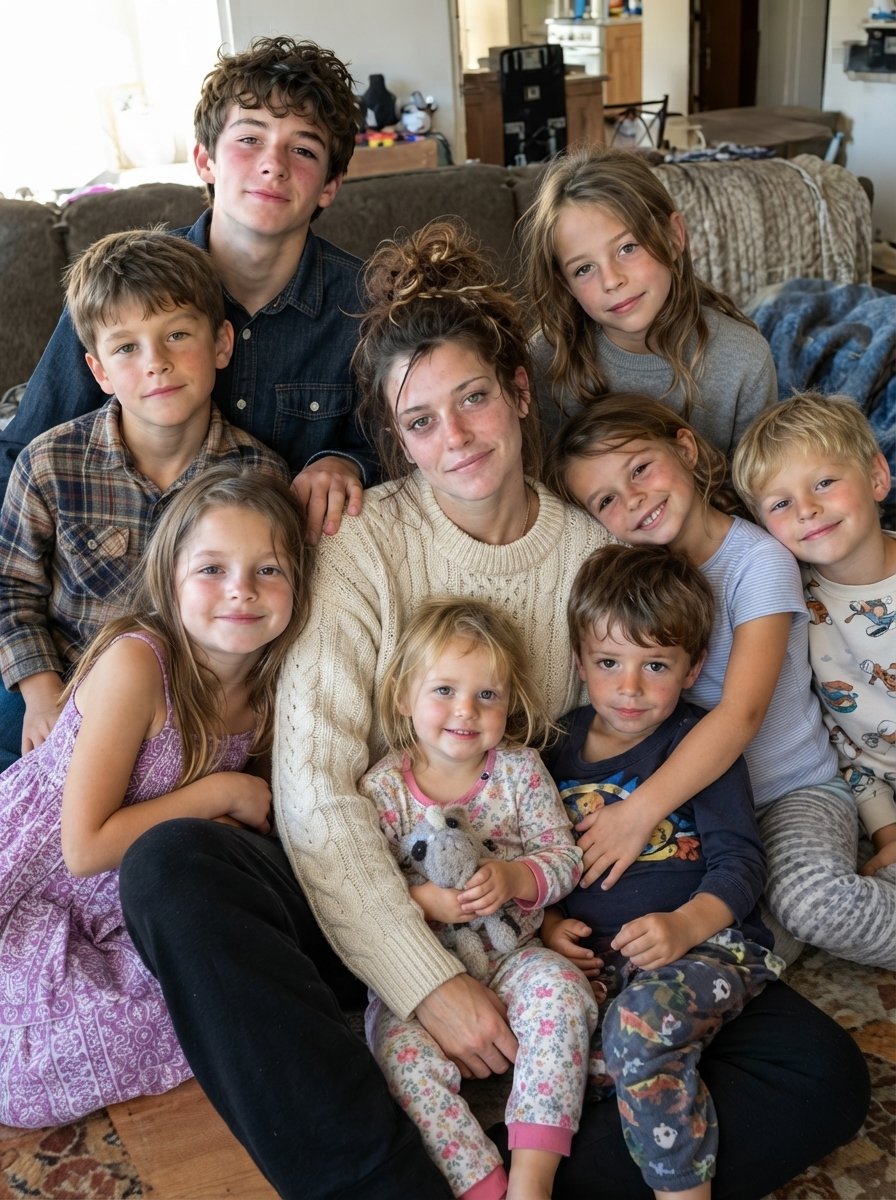
I gave up my education, lost our family home, and worked myself to exhaustion so my seven siblings wouldn’t be separated. Through it all, my brother Michael stood beside me. I thought we shared every painful truth about our childhood, but I was wrong in a way I never expected.
“I’ve seen them, Rebecca.”
I stared at my brother Michael across the kitchen table.
“What do you mean you’ve seen them?”
“Mom and Dad. They’re alive.”
I gripped the edge of my chair. “When?”
Michael looked down.
“Ten years ago.”
For a moment, I couldn’t speak. Our parents had disappeared 13 years earlier, when I was 24, and Michael was a teenager. Now he was telling me he’d known they were alive for a decade.
“Ten years?” I whispered. “You’ve known for ten years?”
He nodded.
I stood so quickly my chair scraped against the floor.
“Tell me everything.”
Thirteen years earlier, our parents had gone hiking in the mountains and never returned.
Search teams found their backpacks near a ravine, but no bodies. After months without evidence that they were alive, authorities presumed them dead.
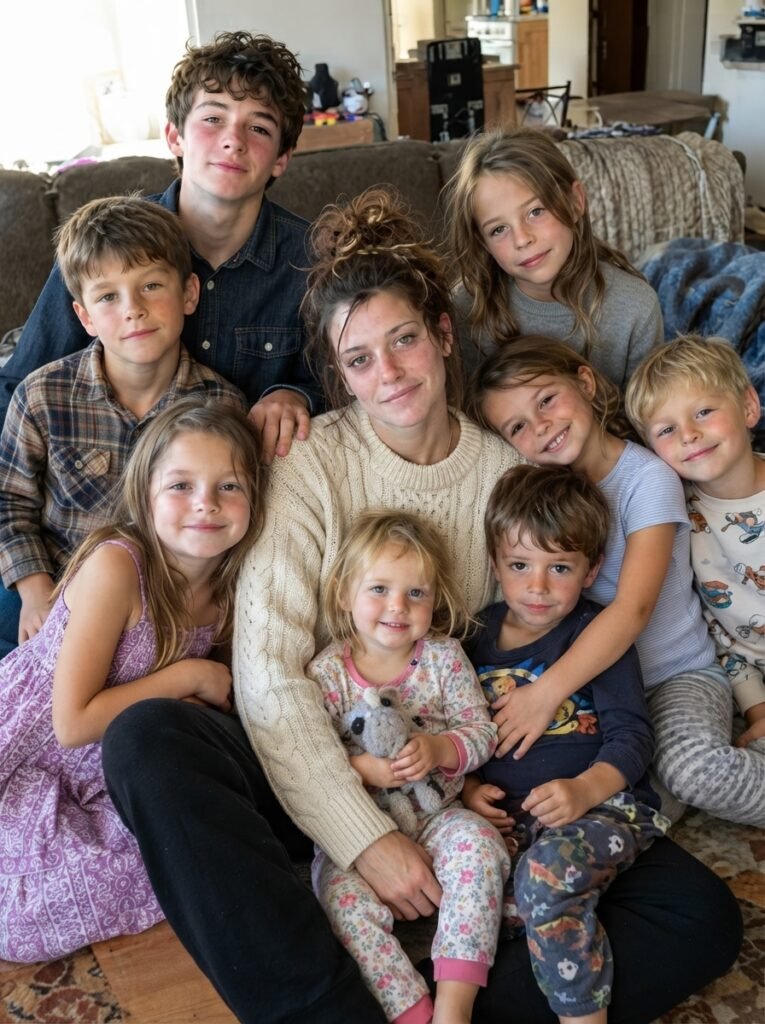
I was suddenly responsible for seven children.
Michael was the oldest at 15. Our youngest sister, Willa, was only two.
Social services wanted to split them between foster families. I still remembered Michael grabbing my hand after one of those meetings.
“Please don’t let them take us,” he begged.
I promised we’d stay together.
I quit college and took two jobs. During the day, I worked at a grocery store. At night, I cleaned offices.
We lost our family home because I couldn’t afford the mortgage.
Eight of us moved into a tiny three-bedroom rental.
The children shared bedrooms. I slept on the couch.
Sometimes I skipped meals so the younger kids could eat. There were days when I had $20 left and five days until payday.
Michael helped with everything. He cooked, supervised homework, and got the younger children ready for school.
“You’re still a kid,” I’d tell him.
“Then stop trying to do everything alone,” he’d answer.
I missed birthdays, weddings, and nearly every opportunity to have a normal life.
But the kids grew up.
Some went to college. Others started working. I was proud of every single one.
At 37, I still lived with the two youngest, though the others visited constantly.
Last Sunday, everyone gathered for dinner.
Michael arrived late and barely spoke. I noticed him checking his phone throughout the meal, but assumed something was bothering him at work.
After everyone left, he asked me to sit down.
“Rebecca, I need to tell you something.”
“Are you in trouble?”
“No. But I’ve been lying to you.”
He looked terrified.
“About what?”
He took a deep breath.
“Our parents are actually alive. They never died in those mountains.”
I stared at him.
“What did you just say?”
He lowered his voice.
“And I’m the only one who knows.”
Now, standing across from him, I could barely recognize the brother I’d trusted more than anyone.
“How did you find them?”
“Dad contacted me when I turned 18.”
“Why?”
“He said he missed me.”
I waited.
“He asked me to meet him at a diner outside town. I thought someone was playing a cruel joke. But when I got there, Mom was sitting beside him.”
“Both of them?”
Michael nodded.
“They explained that they’d been having problems before the hiking trip. Money, their marriage, everything. Dad said they couldn’t handle raising eight children anymore.”
I shook my head.
“Then why didn’t they come home?”
His expression changed.
“Rebecca, they never intended to.”
He explained that our parents had planned the disappearance together. They’d left their backpacks near the ravine so people would believe they’d fallen.
They hadn’t been injured. They hadn’t lost their memories.
They’d simply walked away.
I remembered those first terrible nights, when Willa cried for Mom, and I had no idea how to comfort her.
“All those people searching for them,” I said. “All those months we waited.”
“I know.”
“No, Michael. You don’t know what it was like being the person who had to tell seven children their parents weren’t coming back.”
His eyes filled.
“I know I should’ve told you.”
“Why didn’t you?”
“Because they promised they were coming back.”
I sat down again.
Michael explained that our parents wanted to rebuild their relationship with him first.
They said they needed time before approaching the younger children.
He’d believed them.
He’d been 18, still grieving, and suddenly the parents he thought he’d lost were sitting across from him.
“I thought if I did everything right, they’d eventually come home,” he said.
“So what happened?”
“After a few meetings, I asked when we could tell you.”
“And?”
“Dad said it wouldn’t be a good idea.”
“Why not?”
“He said you were doing such a wonderful job that coming back would only confuse everyone.”
“He actually said that?”
Michael nodded.
“Then he admitted they weren’t interested in raising children again. He said I was different because I was already an adult.”
Something inside me seemed to go still.
“They wanted you,” I said. “Just you.”
“Yes.”
I remembered the nights Michael had stayed awake helping me prepare lunches. The mornings he’d missed school activities because one of the younger children was sick.
Our parents knew he was helping me.
They knew seven children were waiting at home.
And they decided one was enough.
“Did you stop seeing them?”
Michael didn’t answer.
“Michael?”
“No.”
I stood and walked toward the sink.
For years, he’d occasionally told me he was visiting friends out of town. Sometimes he’d missed family gatherings because of work.
“Those trips,” I said. “Were you with them?”
“Some of them.”
I turned around.
“You spent holidays with them?”
“A few.”
“While I was here?”
He nodded.
I thought about the birthdays when I’d saved for weeks to buy presents, the Christmas mornings when I’d watched the children open gifts while worrying about January’s rent.
Michael had known our parents were somewhere celebrating, too.
“Why would you do that to me?”
“Because I wanted them to love me,” he answered quietly.
His honesty hurt more than another excuse would have.
“I kept thinking they’d change their minds. Then I couldn’t figure out how to tell you without losing you.”
I looked away.
“Do you understand that you’ve already lost something between us?”
He wiped his face.
“Yes.”
I wanted him to leave.
I also wanted him to stay until every question had an answer.
Finally, I asked, “Why tell me now?”
Michael reached into his jacket and removed his phone.
“There’s something else.”
He opened a photograph.
Our parents were standing outside a house, smiling beside a little girl.
I recognized Mom immediately. Her hair was gray now, but her smile hadn’t changed.
Dad had gained weight. He had one hand resting on the child’s shoulder.
“Who’s that?” I asked.
Michael swallowed.
“Her name is Delia. She’s eight.”
“Whose daughter?”
He looked at me helplessly.
“Theirs.”
I stared at the photograph.
Our parents had left eight children because they couldn’t handle being parents.
Then they’d had another child.
I thought of Willa, who was now 15.
She’d spent almost her entire childhood asking questions about parents she barely remembered.
This little girl had experienced everything Willa had missed.
Bedtime stories. School concerts. Birthday mornings with both parents.
“Does she know about us?”
“She knows about me. They’ve always told her I’m her older brother.”
“And the rest?”
“No.”
I handed him back the phone.
“Of course.”
Michael sat silently while I tried to absorb it.
Then he said, “Last weekend, Delia saw a picture of all of us on my phone.”
I looked up.
“She asked who everyone was. I told her you were my family.”
“And?”
“She asked why she’d never met you. I told her you were her brothers and sisters, too.”
I could picture an eight-year-old girl trying to understand why an entire family had been kept from her.
“How did Mom and Dad react?”
“They were furious.”
“With you?”
“They said I’d confused her.”
Michael explained that Delia had continued asking questions. Our parents finally decided a meeting might be necessary, but they wanted complete control over what she heard.
“They want us to say we lost touch years ago,” he admitted. “That there were family problems and everyone went separate ways.”
I laughed bitterly.
“They want us to pretend they didn’t abandon us.”
“Yes.”
“And they expect me to help?”
“Dad wants me to persuade you.”
I looked at my brother.
“Is that why you’re here?”
“No. That’s why I finally realized I had to tell you. They’re still asking me to lie, and I can’t do it anymore.”
For several minutes, neither of us spoke.
Then I made a decision.
“I want to see them.”
Michael looked startled.
“Are you sure?”
“I’ve spent 13 years wondering what happened to them. I’m not letting them decide what I know anymore.”
Two days later, Michael drove me to a quiet restaurant about an hour away.
I insisted that we meet without Delia. Whatever happened between us, an eight-year-old didn’t deserve to sit through it.
Our parents were already waiting.
Mom stood when she saw me.
“Rebecca.”
She reached toward me, but I stopped several feet away.
“Please don’t.”
Her face crumpled.
Dad remained seated.
“You look well,” he said.
I almost laughed.
That was what he had to say after 13 years.
I sat opposite them.
“Why did you leave?”
Dad sighed.
“Things were difficult back then.”
“Things were difficult for everyone.”
“You don’t understand what our marriage was like.”
“Then explain it.”
He described financial problems, arguments, and feeling trapped by responsibilities.
Mom stared at her hands.
“We weren’t happy,” she whispered.
I looked directly at her.
“Neither was I when I was cleaning offices at midnight. But I still came home.”
She started crying.
Dad leaned forward.
“We never wanted you to carry all of that, Rebecca.”
“Then why did you leave me with it?”
He didn’t answer.
I told them about losing our home. About sleeping on the couch and stretching $20 across five days. About Michael helping the younger children while he was still a child himself.
Mom whispered that she was sorry.
“Why didn’t you call?” I asked her.
“I was ashamed.”
“For 13 years?”
“I thought you’d hate me.”
“I spent years believing you were dead. I would’ve given anything just to hear your voice.”
She covered her mouth.
Dad interrupted.
“We can’t change the past. Maybe we should concentrate on moving forward.”
“With everyone?” I asked.
He hesitated.
“Eventually. We need to consider Delia’s feelings.”
“And what about Willa’s feelings? She was two when you left. She grew up with photographs instead of parents.”
“Delia is still young,” he said.
“So was Willa.”
Dad shifted uncomfortably.
“We didn’t think returning would help the younger children. Michael was different. He was grown.”
I finally understood just how easily he’d justified everything.
“You didn’t come back because you missed your children,” I said. “You came back because Michael was old enough that you wouldn’t have to take care of him.”
“That’s unfair.”
“You had each other. I had seven children depending on me, and I was only 24.”
Mom began to speak, but I continued.
“You could’ve separated without abandoning us. You could’ve asked relatives for help. You had choices.”
Dad looked away.
“And now you want us to tell your daughter some pleasant story about losing touch?”
“We don’t want to hurt her,” Mom said.
“Neither do I. But I’m not going to lie to protect you.”
Dad’s voice hardened.
“If you tell her everything, you could destroy our relationship with her.”
I stood.
“Then you should’ve thought about that before creating a relationship built on secrets.”
Mom reached for my hand.
“Rebecca, please. Give us another chance.”
I looked at her for a long moment.
“Maybe someday we can have a conversation that isn’t about what you need from me. But I’m not bringing the others here to make you feel better.”
I left before either could answer.
Michael followed me to the car.
For the first few miles, we said nothing.
Then he spoke.
“I’m sorry.”
I kept looking out the window.
“I wanted them back so badly,” he continued. “I thought if I stopped seeing them, I’d lose them all over again.”
“I understand why 18-year-old you went to that diner.”
He glanced at me.
“But you’re 28 now, Michael. You had ten years to tell me.”
“I know.”
“You watched me struggle while you knew they were alive.”
His voice broke.
“I was afraid you’d hate me.”
“I don’t hate you.”
He exhaled shakily.
“But I don’t trust you the way I did.”
He nodded, accepting it.
That evening, I called the siblings and arranged another family dinner.
I asked Michael to attend because I refused to explain his secret for him.
When everyone arrived, they immediately sensed something was wrong.
Willa sat beside me, picking nervously at her sleeve.
I told them our parents were alive.
At first, nobody believed me.
Then Michael confirmed it.
Questions erupted around the table.
One brother wanted to know where they’d been.
Another asked why they’d never visited.
“Did they know where we lived?”
I nodded.
Her eyes filled.
“So they could’ve come for us?”
“Yes, sweetheart.”
She began crying.
I put my arm around her, remembering the little girl who used to fall asleep waiting for Mom to come home.
Michael explained his meetings with our parents and apologized for keeping them secret.
Some siblings were furious with him. Others seemed too shocked to respond.
Then I told them about Delia.
Willa wiped her cheeks.
“They raised another little girl?”
“Yes.”
“Why didn’t they want us?”
It was the question I’d feared most.
I held her hand.
“I don’t know how anyone could make that choice. But it wasn’t because there was something wrong with you.”
We talked for hours.
By the end, nobody wanted the reunion our parents had proposed.
Some were willing to exchange messages eventually. Others wanted no contact.
I told them they didn’t have to decide immediately.
Two days later, Dad called.
He was angry that I’d told everyone.
“You’ve made reconciliation much harder,” he complained.
“No,” I answered. “I’ve made it honest.”
He insisted that Delia deserved protection from the family’s painful history.
“I agree,” I said. “She’s innocent. But protecting her doesn’t mean pretending the rest of us never existed.”
He said I was being unreasonable.
For the first time, his disappointment didn’t make me question myself.
I ended the call.
Over the following weeks, Michael tried to repair what he’d damaged.
He didn’t pressure me to forgive him.
He answered the siblings’ questions, accepted their anger, and stopped defending our parents.
One evening, he came over while Willa was doing homework.
After she went upstairs, he helped me wash the dishes, just as he’d done when he was 15.
“Do you remember what I said when they wanted to put us in foster homes?” he asked.
“Of course.”
“I begged you not to let them separate us.”
I nodded.
“You promised we’d stay together.”
“I remember.”
He set down a plate.
“You kept that promise, Rebecca. Even when nobody made it easy.”
I looked at the brother who’d helped me raise our family and then hurt me in a way I never imagined possible.
“I meant every word. But staying together doesn’t mean hiding the truth from each other.”
“I know that now.”
I dried my hands.
“Then promise me something.”
“Anything.”
“No more secrets. Even when you’re afraid I’ll be angry.”
He looked directly at me.
“I promise.”
I couldn’t offer him complete forgiveness that night.
Trust would take time to rebuild.
But when he reached for another dish, I didn’t ask him to leave.
Our parents were alive, and nothing could erase what their choices had cost us.
I would never get back my college years, the opportunities I’d missed, or the childhood Michael had surrendered to help me.
But I could stop carrying responsibility for everyone else’s decisions.
I had spent 13 years believing I was the only thing holding our family together.
Now I could see that the children I’d raised had grown into people who could stand beside me.
Our parents could decide whether they were willing to face us honestly.
They couldn’t decide whether we deserved to be loved.
We’d already spent 13 years proving that to one another.