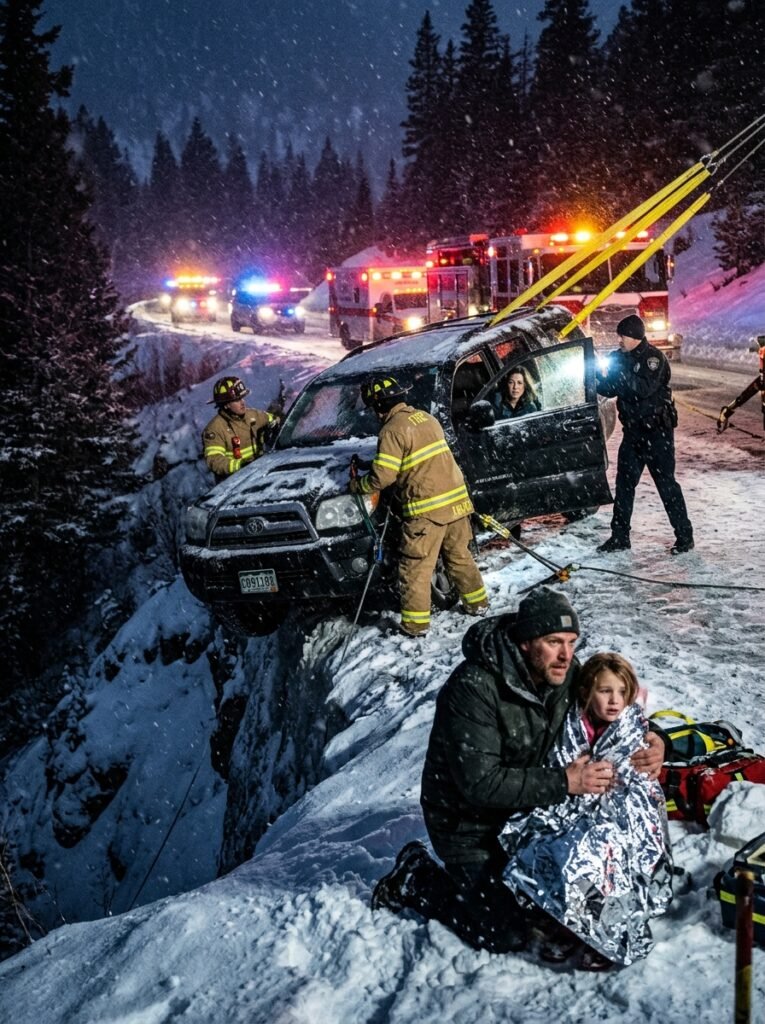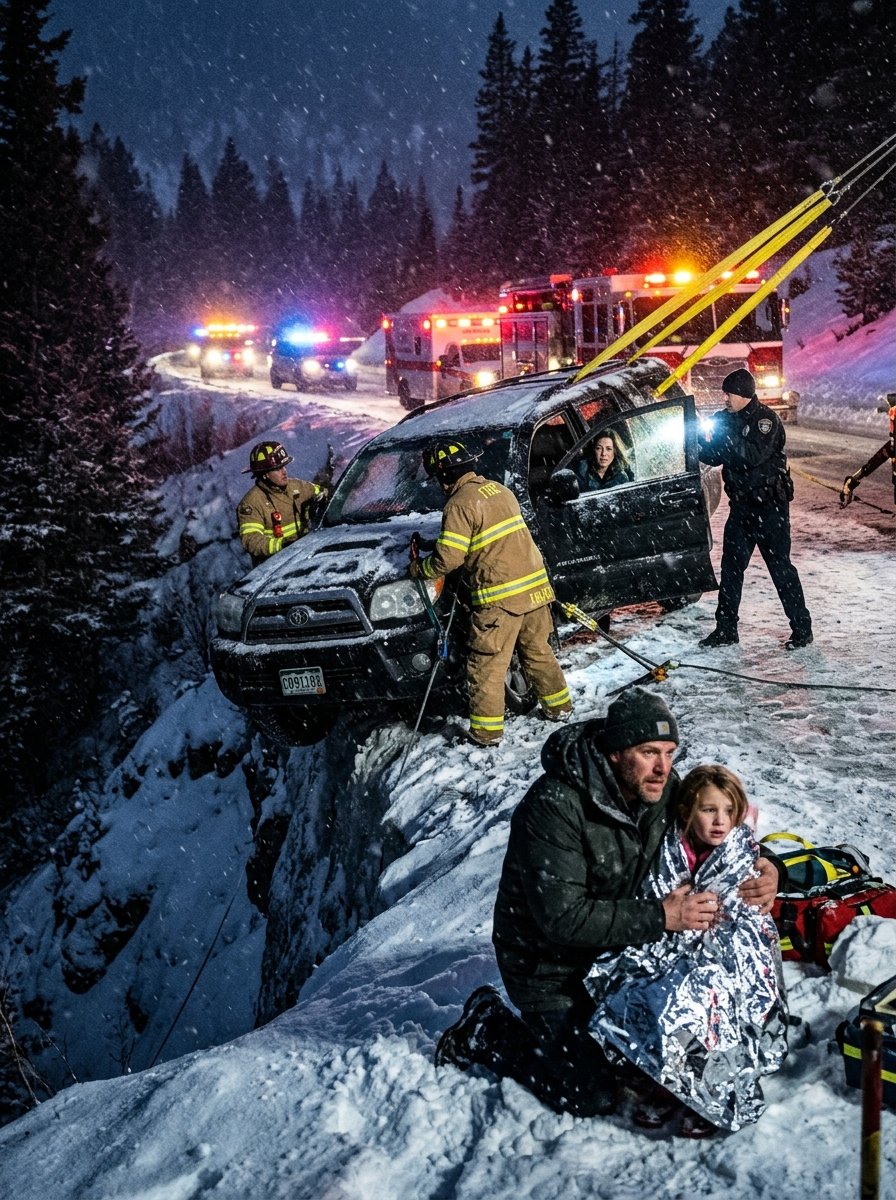
Trooper Reyes raised the volume on my phone while my father stood between two officers on the frozen mountain road.
The recording began with the slam of the SUV doors outside Aunt Eleanor’s house.
Chloe’s voice came next, small and nervous.
“Maya, don’t be mad.
I only showed Dad because I thought he already knew.”
Then came the rustle of paper and my father’s sharp intake of breath.
“You were hiding this much money from me?”
“It’s mine,” I said on the recording.
“I earned it.”
“You earned it while living under my roof.”
“I pay for that roof.”
The officers looked at Dad.
He stared at the phone as though he could force it to go silent.
On the stretcher, I began shaking.
The paramedic thought I was cold and pulled another blanket over me, but the cold had very little to do with it.
I was hearing the final minutes before the crash exactly as they had happened, without Dad’s interruptions or corrections.
The audio captured Chloe begging him to return my envelope.
It captured Dad starting the engine and peeling away from Aunt Eleanor’s driveway.
It captured me asking him to slow down as the tires slid across the icy road.
Then another voice came through the speaker.
Aunt Eleanor’s.
She had been standing outside the SUV before we left.
“Give Maya back her money, Grant,” she said.
“You have taken enough from that girl.”
Dad’s head snapped toward me.
Until that moment, he had probably forgotten Eleanor had been close enough for my phone to record her.
The file continued.
“You stay out of this,” Dad said.
“She is not your wife,” Eleanor replied.
“She is not responsible for replacing her mother.”
There was a pause.
Then Eleanor said something I had never heard clearly from inside the car.
“And if you touch the insurance money again, I will tell her everything.”
Chloe covered her mouth.
Dad lunged toward the phone.
The officers forced him back against a patrol car.
“This is ridiculous,” he shouted.
“She’s twisting things.
Eleanor has always hated me.”
Reyes did not answer.
He let the recording play.
The sound of the engine grew louder.
I could hear myself asking what insurance money Eleanor meant.
Dad ignored me.
Chloe told him to stop speeding.
Then came his voice, lower and more dangerous than before.
“You think you can take my daughter, my money, and walk away?”
“I’m not taking Chloe,” I said.
“I’m leaving because I can’t breathe in that house anymore.”
“You leave this family, you leave it with nothing.”
“Give me my envelope.”
A turn signal clicked.
The engine accelerated.
My recorded voice changed.
“Dad, what are you doing?”
Chloe screamed.
There was a violent impact, the tearing of metal, and then almost four minutes of darkness, groaning steel, and my own ragged breathing.
The crash had not stopped the recording.
Neither had Dad’s voice outside the vehicle.
“Save my Chloe first,” he shouted.
“The older one never meant much to me anyway.
Don’t waste time on her.”
No one on the road moved.
Even the firefighters stopped pretending they had not heard him say it.
Reyes locked the phone’s screen and handed it to another trooper in an evidence bag.
Dad immediately began changing his story.
First he said
I had grabbed the wheel.
Then he said a deer had crossed the road.
Then he claimed the brakes had failed.
When an officer asked why none of those explanations appeared in the recording, he demanded a lawyer.
Chloe stood beneath the flashing emergency lights with tears freezing on her cheeks.
“He did it,” she whispered.
“He turned the wheel.”
Dad looked at her with a fury I had seen many times at home but that he had always hidden from everyone else.
“You ungrateful little liar.”
Reyes stepped between them.
“That is enough.”
The officers placed Dad in handcuffs.
He continued shouting as they led him toward a patrol car, insisting that I had destroyed the family and manipulated Chloe against him.
For the first time in my life, his anger did not control the room.
Nobody rushed to calm him.
Nobody told me to apologize.
Nobody asked Chloe to keep the peace.
They simply put him in the back seat and closed the door.
I was taken by ambulance to St.
Vincent’s Medical Center.
My left femur was fractured in two places, my ankle was crushed, and several nerves had been compressed beneath the dashboard.
The surgeons warned me that walking normally again might take a year.
One doctor gently explained that there was a chance the numbness in my foot would never completely disappear.
I listened without crying.
After the crash, pain had become easier to understand than love.
Pain did not pretend to be something else.
Aunt Eleanor arrived before sunrise.
She walked into my hospital room carrying my backpack, which rescuers had recovered from the road before the SUV fell.
The zipped pocket was open.
The envelope was gone.
“I’m sorry,” Eleanor said.
“I should have stopped him from driving.”
“You tried.”
“I should have told you sooner.”
I looked at her.
“What insurance money were you talking about?”
She sat beside my bed and folded her hands tightly in her lap.
After my mother died, there had been a life insurance payment.
Dad told Chloe and me that the money had gone toward the funeral, the mortgage, and Mom’s hospital bills.
I believed him.
I had been twenty-one and too busy keeping Chloe fed, getting her to school, and working nights at the diner to ask questions.
According to Eleanor, only a small portion of the policy had been used for those expenses.
The rest had disappeared over the next three years.
Dad had invested in a friend’s failing construction business, bought a truck he later sold, and spent thousands at casinos across the state line.
When the money was gone, he began falling behind on the mortgage.
Then he turned to me.
Every time I tried to save, an emergency appeared.
The electricity was about to be shut off.
Chloe needed school supplies.
Property taxes were due.
The furnace had broken.
Some of those emergencies were real.
Others, Eleanor suspected, were invented.
Dad had trained me to believe that leaving would destroy everyone I loved.
“What did you mean when you said he touched the insurance money again?” I asked.
Eleanor’s face tightened.
Three weeks before the crash, a letter had arrived at her house by mistake because she and Dad shared the same last name and lived on the same rural route.
It was a notice from an insurance company confirming a new accidental-death policy.
The insured person was me.
The beneficiary was my father.
Eleanor had confronted him.
Dad claimed the policy was part of a family protection plan and that I had agreed to it.
She did not believe him, but she had no copy of my signature and no proof that it had been forged.
“Why didn’t you tell me?”
“I was trying to get the documents first,” she said.
“I thought I had time.”
The monitor beside my bed kept beeping steadily while I stared at the ceiling.
My secret apartment deposit had not merely threatened Dad’s control over my wages.
If I moved away, I might discover the policy.
I might close the bank account he monitored.
I might finally learn how much he had taken from me.
Detective Lena Ortiz visited that afternoon.
She spoke quietly and never stood over my bed.
She told me Dad had been arrested on suspicion of aggravated assault, reckless endangerment, and attempted homicide.
The exact charges would depend on the crash investigation and the evidence recovered from my phone.
“The recording is strong,” she said.
“But we are looking for more than words.”
They found it.
The SUV’s event data recorder survived the fall inside a protected section of the vehicle.
It showed that five seconds before impact, the accelerator had been pressed almost completely to the floor.
The brakes had not been applied.
The steering wheel had turned sharply toward the guardrail.
There had been no mechanical failure.
A county snowplow had been traveling several hundred yards behind us.
Its dashboard camera captured the SUV accelerating through the curve before striking the barrier.
There was no deer, no approaching vehicle, and no patch of blocked roadway that could explain the maneuver.
The gasoline smell came from a red fuel can Dad had placed in the cargo area without securing the cap.
Investigators believed it had spilled when he swerved out of Aunt Eleanor’s driveway.
That detail mattered because the recording proved I had repeatedly warned him about the fumes.
He had continued driving anyway.
The strongest witness, however, was Chloe.
For two days she refused to speak to investigators unless Dad was present.
Even from a jail cell, he still had a grip on her.
He called Aunt Eleanor’s house repeatedly and left messages saying the police were trying to split the family apart.
Then Detective Ortiz played Chloe a short section of the body-camera footage from the cliff.
Chloe watched Dad point toward the wreck and call me unstable.
She watched him tell rescuers not to waste time on me.
She watched herself standing safely beside him while I remained trapped over the gorge.
Something inside her broke open.
She asked to give a statement.
Chloe told investigators that Dad had been furious from the moment he saw my envelope.
He had accused her of helping me escape.
As he drove, he demanded to know where my apartment was and whether I planned to take Chloe with me.
When I refused to answer, he grabbed my envelope with one hand and jerked the steering wheel with the other.
Chloe said he looked directly at me before turning toward the guardrail.
She remembered his exact words.
“Let’s see how far you get without your family.”
He had not expected the SUV to stop halfway over the edge.
He crawled through the driver’s door, pulled Chloe out through the rear, and left me pinned inside.
Before the first trooper arrived, Chloe begged him to help me.
Dad told her, “She made her choice.”
The prosecutor later said that sentence was almost as damaging as the recording.
It showed that his decision to abandon me had not been panic.
It had been punishment.
Dad’s lawyer tried to portray the crash as an emotional accident caused by a family argument.
He argued that Dad had lost control on the ice and said cruel things because he was in shock.
The evidence contradicted him at every turn.
There were the vehicle records, the snowplow video, the phone recording, Eleanor’s testimony, Chloe’s statement, the forged insurance application, and Dad’s shifting explanations on the roadside.
Investigators also obtained our bank records.
Over four years, more than eighty thousand dollars from my wages had passed into accounts controlled by Dad.
Some payments covered household expenses.
Thousands more went to gambling websites, cash withdrawals, and debts he had never told me about.
The apartment money was the first substantial amount I had successfully hidden from him.
That was why the envelope enraged him.
It proved his control was ending.
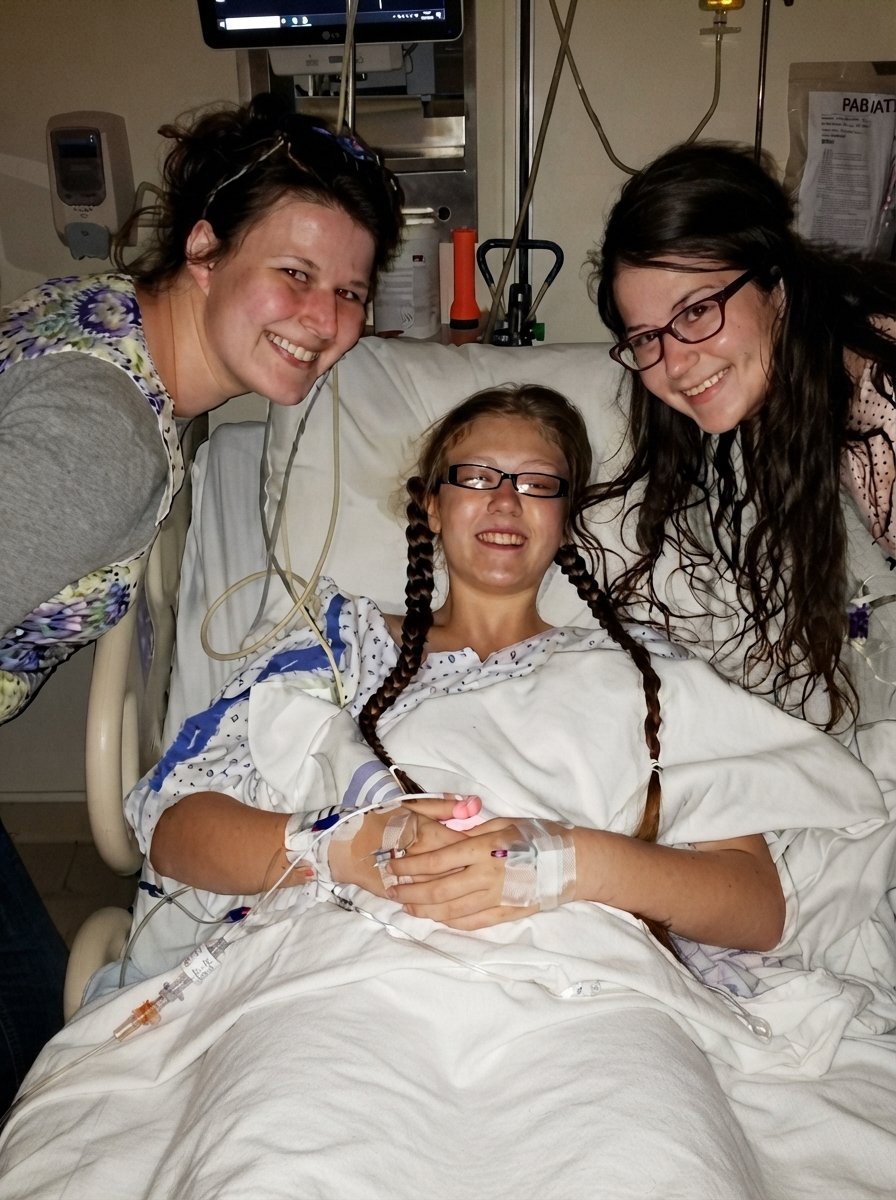
I spent eleven weeks moving between the hospital and a rehabilitation center.
At first, standing required two therapists and a metal frame.
My left foot felt like it belonged to someone else.
Every step sent pain through my hip and ankle.
Chloe visited on Sundays.
During her first visit, she stood in the doorway and cried so hard she could not speak.
I did not tell her it was fine.
It was not fine.
She had taken my envelope and shown it to Dad.
She had remained silent when he blamed me.
Loving her did not erase those facts.
But I also remembered that she was nineteen, frightened, and raised by the same man who had spent years teaching us that disobedience was betrayal.
“You hurt me,” I said.
“I know.”
“You cannot fix it by protecting him again.”
“I won’t.”
She kept that promise.
At the preliminary hearing, Dad saw me enter the courtroom using a cane.
He smiled as though he expected me to soften when I looked at him.
I did not.
Chloe testified first.
Her voice trembled, but she never changed her account.
When Dad’s lawyer suggested that I had pressured her, she looked directly at the jury box and said, “Maya spent her whole life protecting me.
My father spent his protecting himself.”
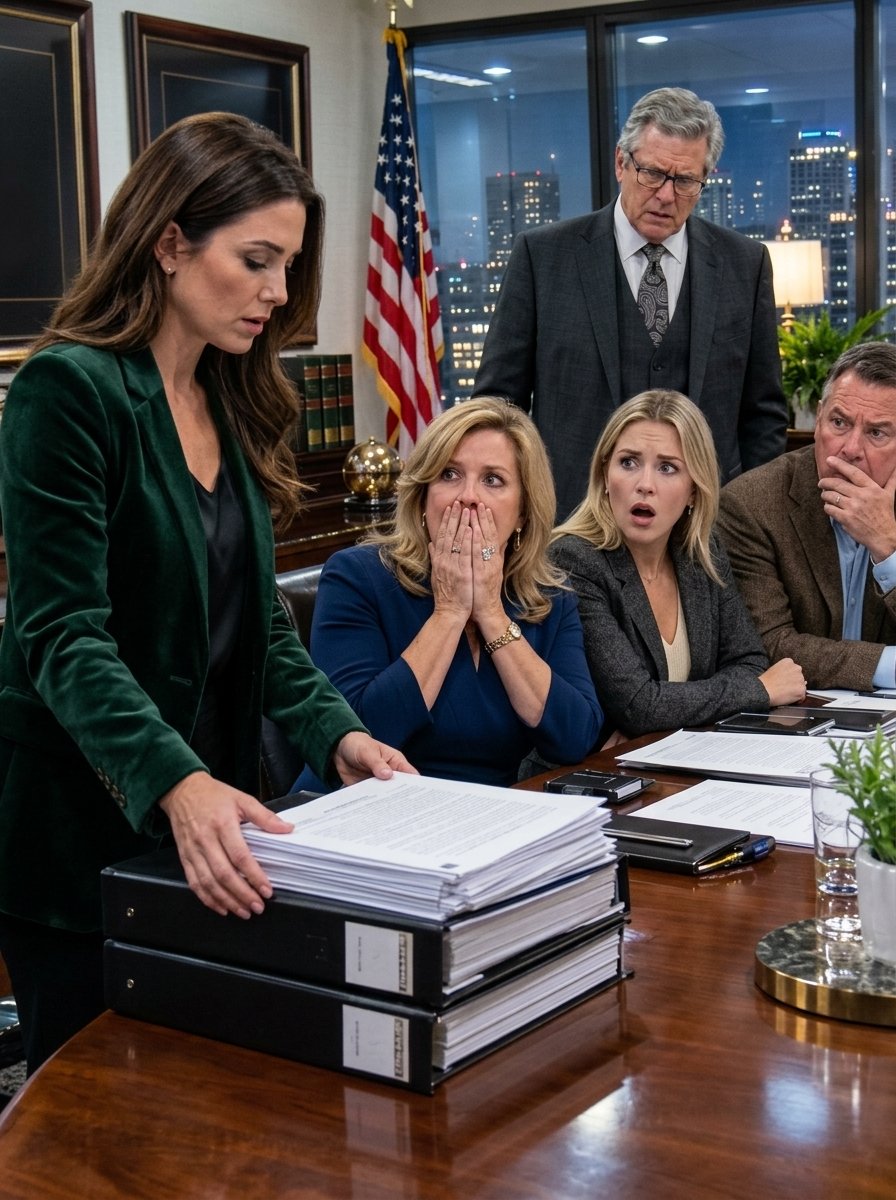
Aunt Eleanor testified about the insurance policy and the missing money.
Detective Ortiz explained the vehicle data.
Trooper Reyes described the rescue and repeated Dad’s words exactly as his body camera had captured them.
Then the prosecutor played my recording.
Dad stared at the table while his own voice filled the courtroom.
“You leave this family, you leave it with nothing.”
The case never reached the dramatic trial Dad had threatened to force us through.
Faced with the combined evidence and the possibility of a much longer sentence, he accepted a plea agreement that included a substantial prison term for attempted homicide, financial fraud, and endangerment.
At sentencing, he finally looked at me.
“You turned everyone against me,” he said.
The judge stopped him.
“No,” she replied.
“Your actions did that.”
Dad was ordered to repay what could be traced from my accounts.
Most of the money was already gone.
The house entered foreclosure, and the remaining assets were sold.
The insurance policy was canceled after the company confirmed that my signature had been forged.
None of it restored the years I had lost.
Justice was not a magical refund.
It did not return my mother, repair my leg, or erase the sound of my father telling rescuers that I did not matter.
It did give me something I had never possessed before.
Distance.
Eight months after the crash, I moved into the apartment whose deposit I had nearly lost.
The landlord had heard what happened and held the unit after Eleanor explained my hospitalization.
It was small, with uneven floors and a kitchen window facing a brick wall.
To me, it looked like a palace.
Chloe helped carry in the boxes.
She placed a new white envelope on the kitchen counter.
Inside was the cash Dad had taken from me.
Police had recovered it from his coat the night of the crash and released it after the case concluded.
Chloe had added several hundred dollars from her own savings.
I tried to give her contribution back.
She closed my fingers around it.
“I know money doesn’t fix what I did,” she said.
“I just want the first thing in this apartment to be something I gave you without taking anything away.”
I kept the money.
Not because I needed it, but because she needed to give it.
My recovery continued slowly.
I returned to the diner for shorter shifts, then began training as a bookkeeper through a community college program.
I opened an account at a bank in another county.
Only my name was on it.
Some nights I still woke hearing metal tear and stones fall into the gorge.
In those moments, I remembered the flashlight shining through the shattered window and Trooper Reyes telling me they were getting me out.
For years, Dad had made me believe survival meant staying useful to him.
He was wrong.
Survival was the firefighter cutting through the door.
It was Chloe telling the truth even though she was terrified.
It was Aunt Eleanor admitting she should have acted sooner.
It was a courtroom refusing to confuse fatherhood with ownership.
Most of all, survival was the quiet moment when I unlocked my own front door for the first time.
I stepped inside without a cane, placed the white envelope in a drawer, and turned the key behind me.
No one shouted that I was selfish.
No one demanded my wages.
No one told me I did not matter.
The apartment was silent.
And for the first time, silence felt like freedom.